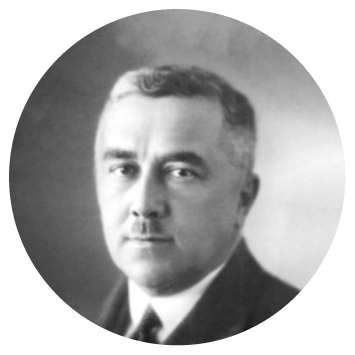
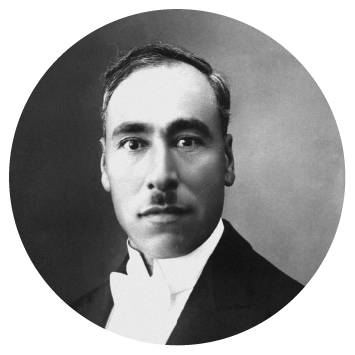
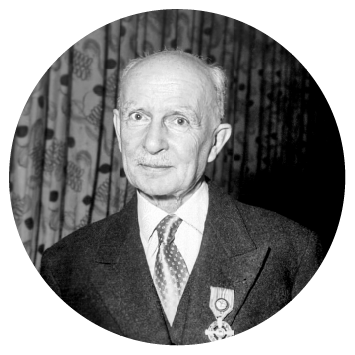
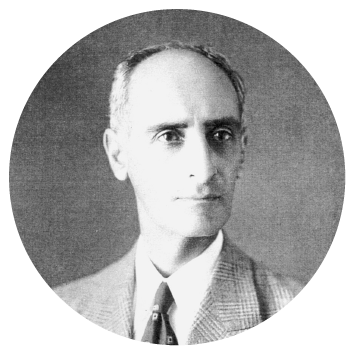
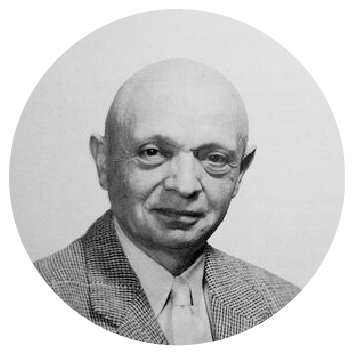
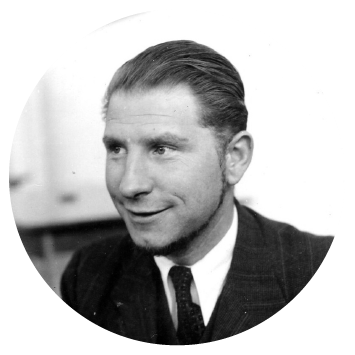
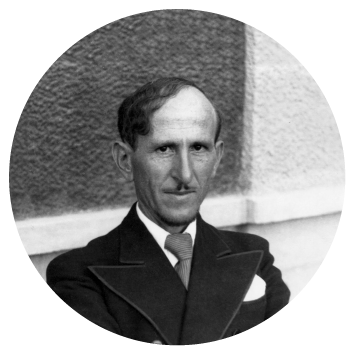
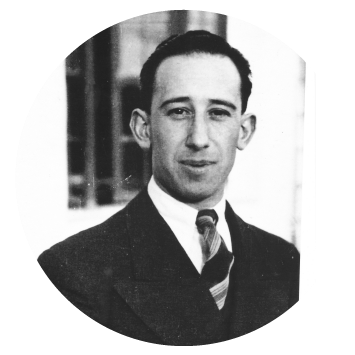
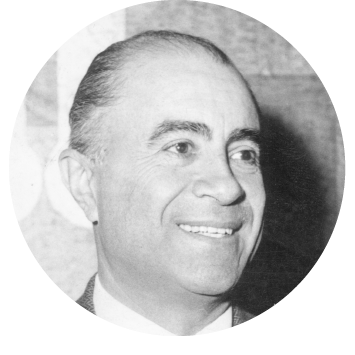
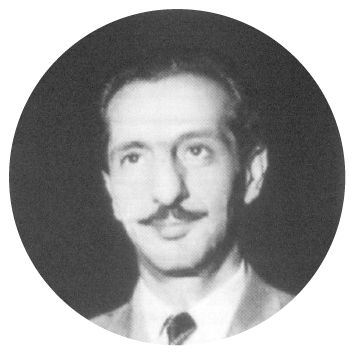
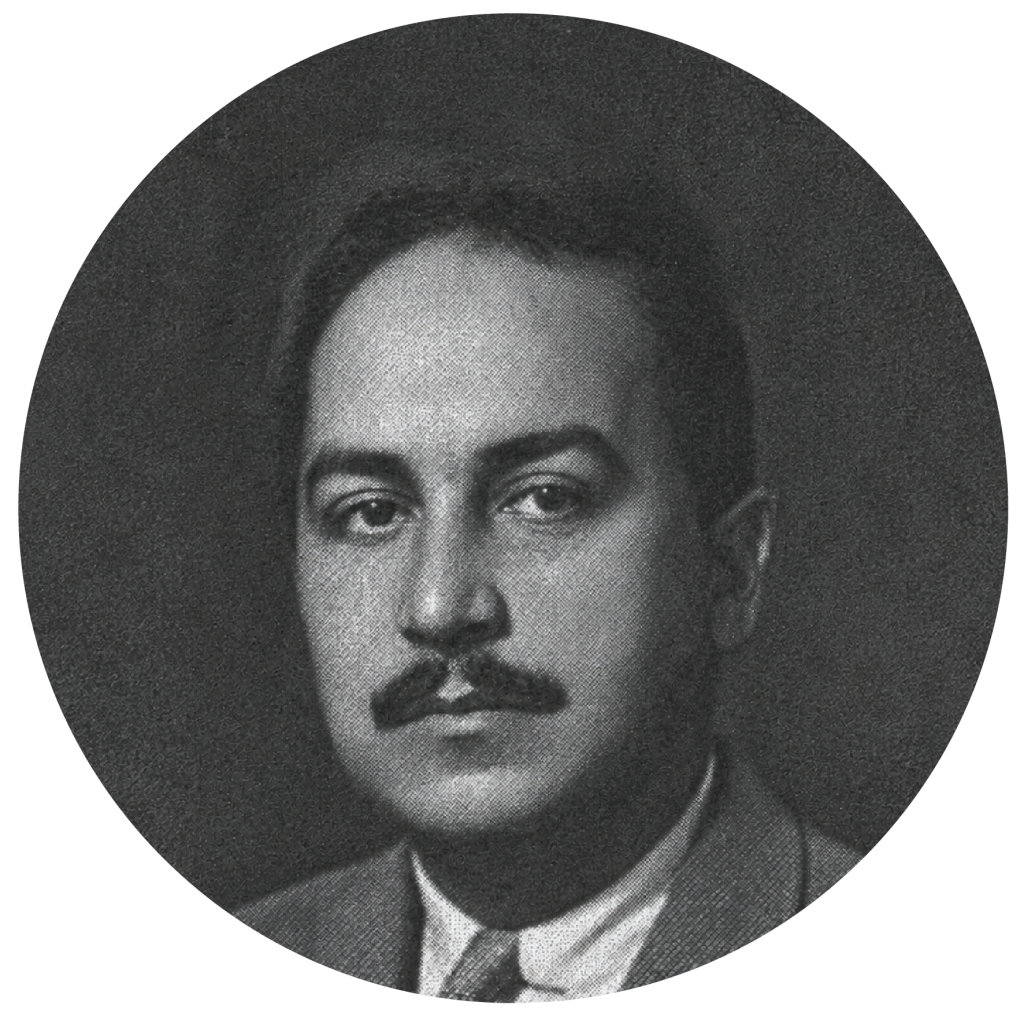
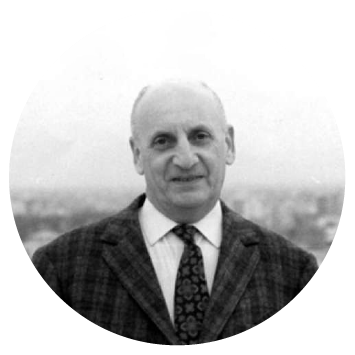
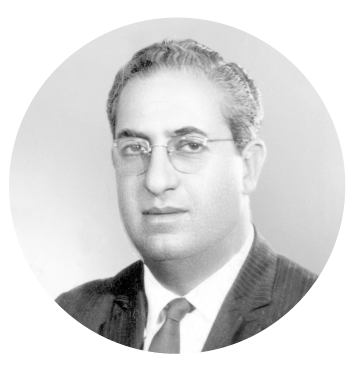
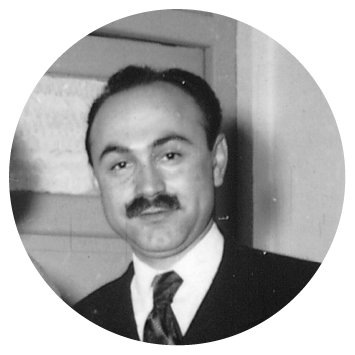
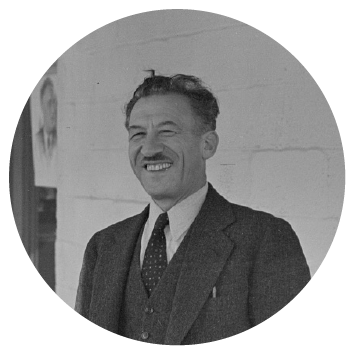
In tracing the history of contemporary Iranian architecture and understanding the origins of the Architecture of Evolution, one encounters a period in which the desire for change and engagement with a rapidly transforming world prompted rulers and state officials to establish closer ties with Europe in the aftermath of the Industrial Revolution. One indication of this shift was Iran’s active participation in international exhibitions, most of which were held in Europe. The demand for modernization also led to the establishment of the first modern state institutions and educational centers, bringing about profound structural changes across different levels of society. Among these was the growing recognition that traditional architectural practices could no longer adequately respond to the needs and functions of the era of transformation, making the adoption of new models and approaches inevitable. Although traditional master builders continued to play an important role in the creation of new buildings, the gradual return of foreign-educated professionals and the influence of officials who were increasingly exposed to Europe and the modern world helped legitimize the role of the architect as a formally trained designer and creator. By the beginning of the new century, major architectural commissions were increasingly entrusted to the first generation of professionally educated architects.