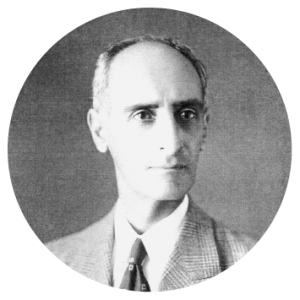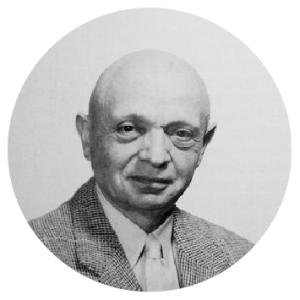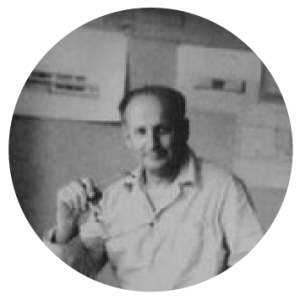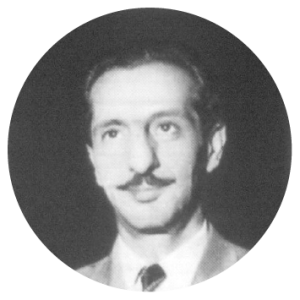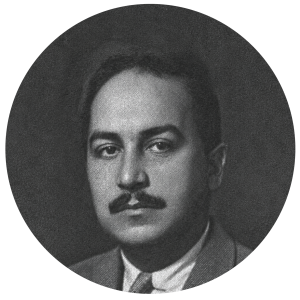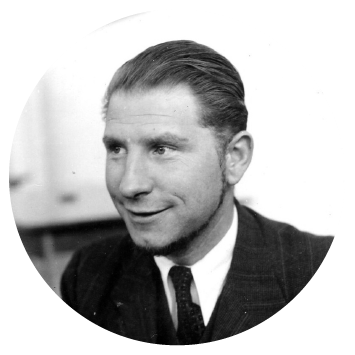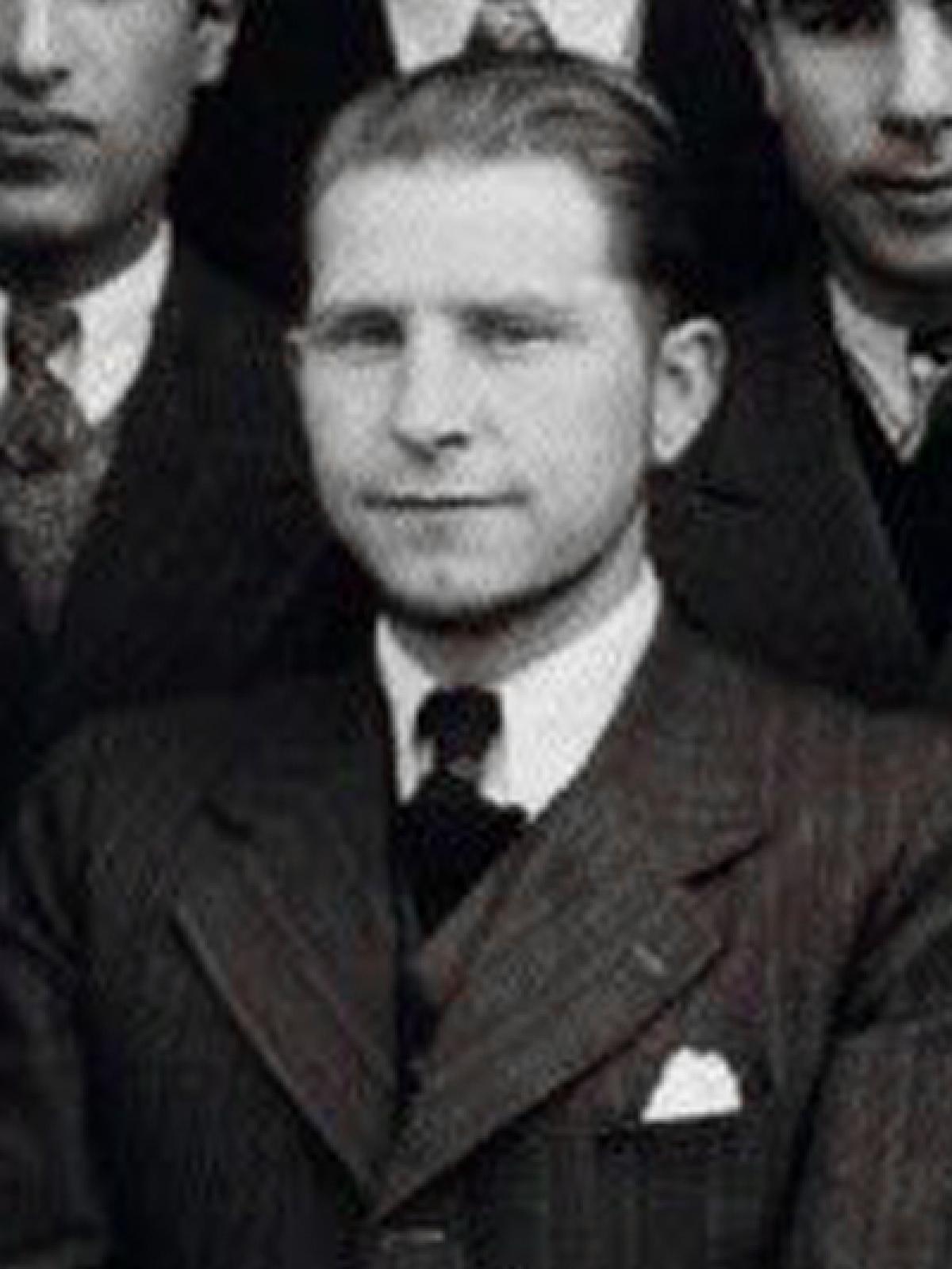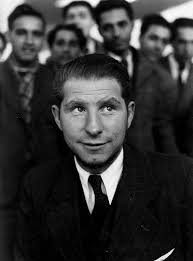


Roland Marcel Dubrulle was born in Armentières, in northern France. After completing his primary and secondary education, he gained practical experience as an apprentice in construction workshops before being admitted, in 1926, to the Regional School of Fine Arts (École des Beaux-Arts) in Lille. In 1931, he continued his architectural education at the prestigious École des Beaux-Arts in Paris. Following eight years of rigorous academic training, he graduated in February 1934 with the Diplôme d’État in Architecture, the French state diploma in architecture.
During his studies, and for approximately a year after graduation, Dubrulle participated in a number of architectural and urban planning projects as an assistant and junior architect. After achieving success in the competition for the Tehran Stock Exchange Building, he relocated to Iran with his Iranian wife and their young son, marking the beginning of the most productive phase of his professional career.
In Iran, Dubrulle collaborated with a wide range of public institutions and government agencies, including the Iran General Construction Company, the Directorate General of Industry, and the Ministry of Education (later the Ministry of Culture), while simultaneously maintaining an independent architectural practice. Over the course of seven years, he designed and supervised the construction of numerous buildings commissioned by newly established civic and governmental institutions, contributing significantly to the country’s modernization efforts.
Alongside his architectural practice, Dubrulle was actively engaged in architectural education. He first taught at the Ministry of Commerce and Industry (Pisheh va Honar) and later served as Head of the Architectural Workshop at the Faculty of Fine Arts, where he played an important role in the education and professional training of a new generation of Iranian architects.