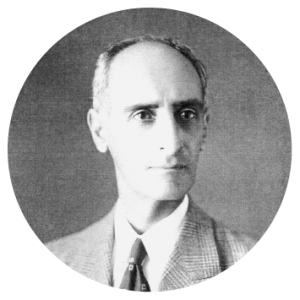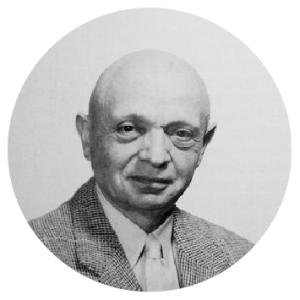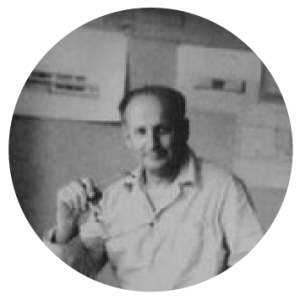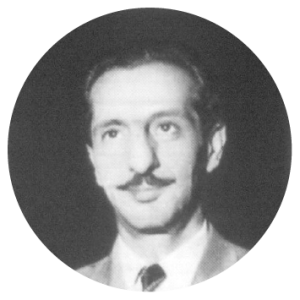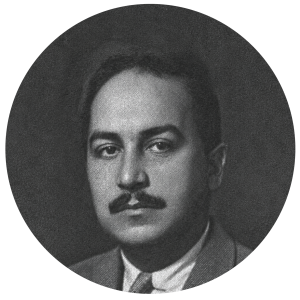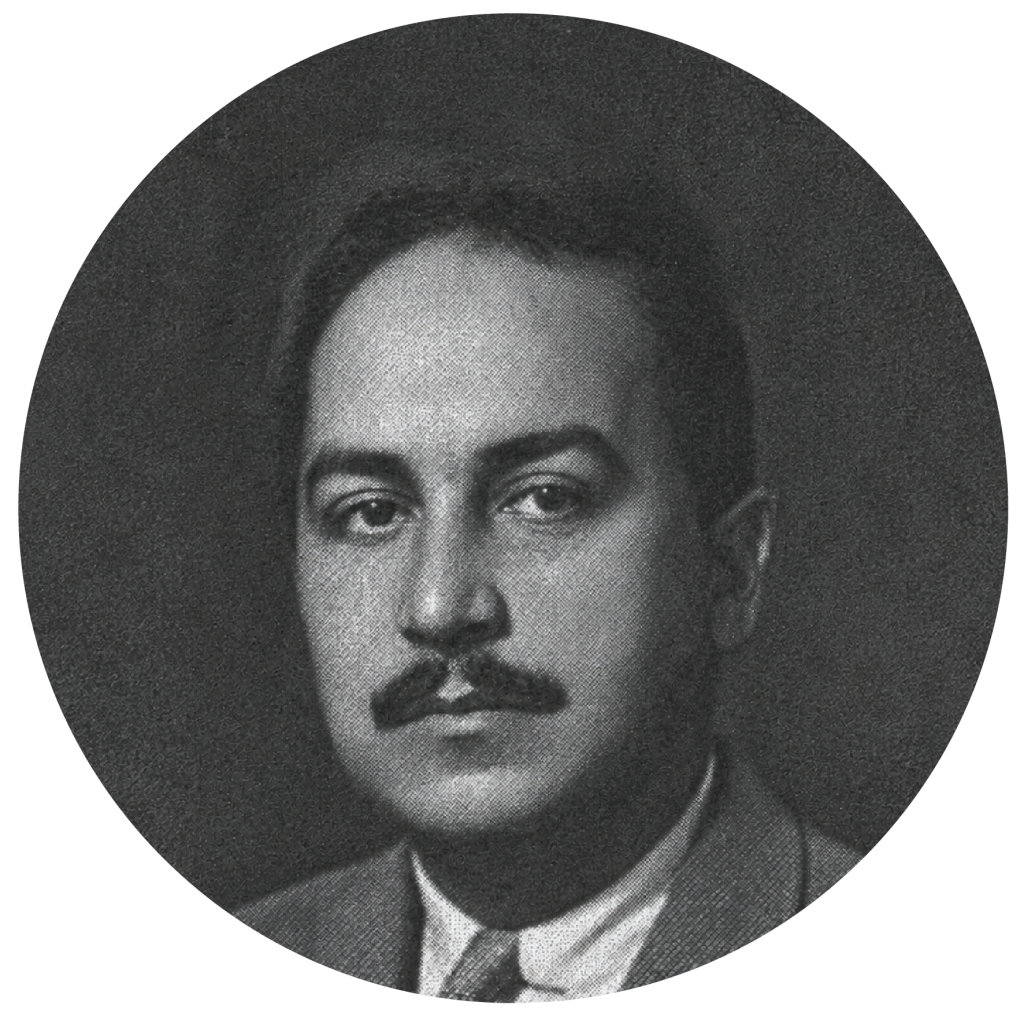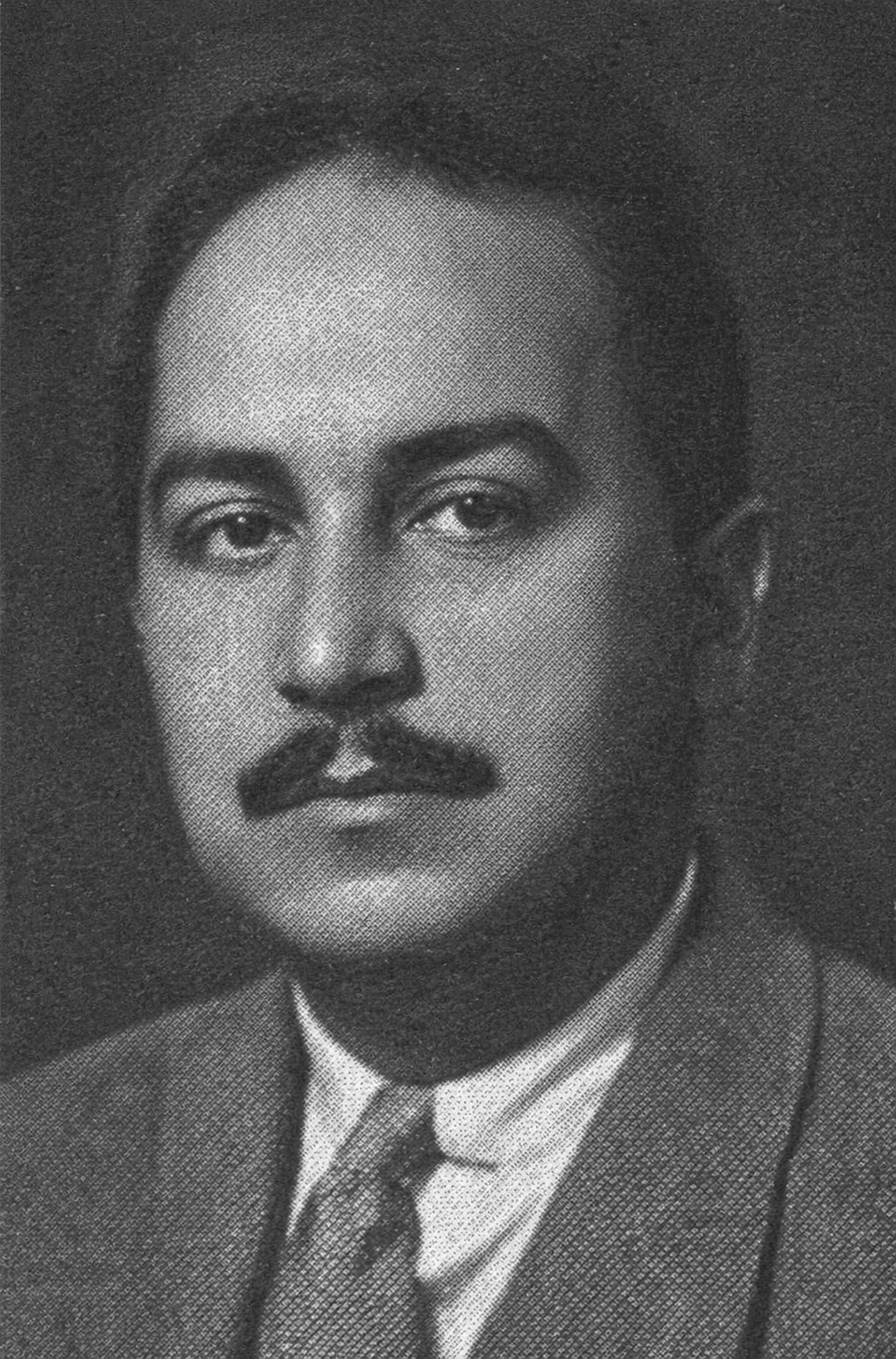


Ali-Akbar Sadegh, one of the pioneering architects of Iran’s first generation of modern architects, was born in 1908. After completing his early education, he left for Europe in 1930 to pursue higher studies. He initially enrolled in an engineering program in Belgium, but his growing interest in the arts led him to change direction and study architecture at the Royal Academy of Fine Arts in Brussels. After four years of study, he graduated with the Academy’s Medal of Honor, an achievement that reflected his outstanding academic performance, before returning to Iran.
Sadegh’s return coincided with a transformative period in Iran’s history, when rapid urban modernization and the construction of new public institutions created unprecedented opportunities for architects trained abroad to shape the country’s evolving built environment.
Throughout his career, Sadegh was involved in the design and execution of numerous governmental, administrative, and residential projects, often working in close collaboration with Mohsen Foroughi on many of the era’s most significant commissions. Among his most notable achievements is the Chaharsad Dastgah Housing Complex in eastern Tehran, one of the earliest comprehensively planned urban housing developments in Iran. He also contributed to the design of the Tomb of Saadi, the headquarters of the Mortgage Bank of Iran on Ferdowsi Street, as well as several prominent administrative and public service buildings. His work is distinguished by a thoughtful synthesis of modern architectural principles with a deep sensitivity to Iran’s climate, cultural context, and architectural heritage.
Over the course of several decades of professional practice, Ali-Akbar Sadegh played an important role in shaping the architectural identity of modern Iran. Through both his built works and his contribution to the country’s modernization, he established himself as one of the influential figures in the formative years of contemporary Iranian architecture. He passed away in 1987.