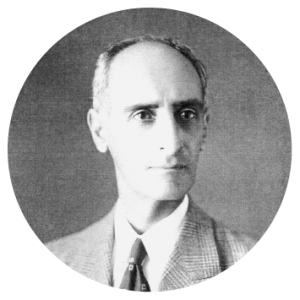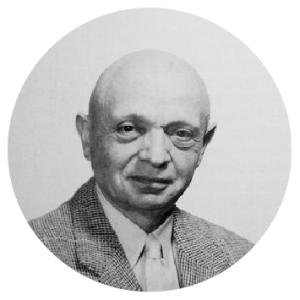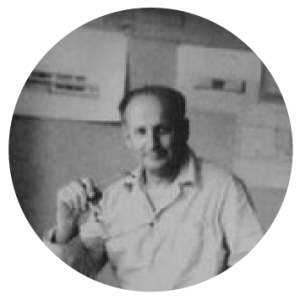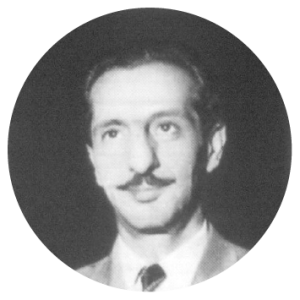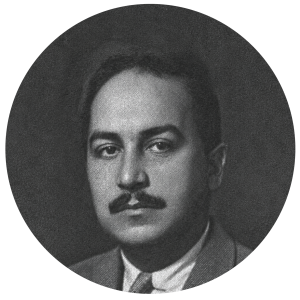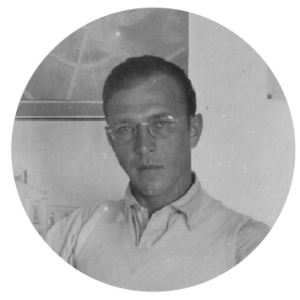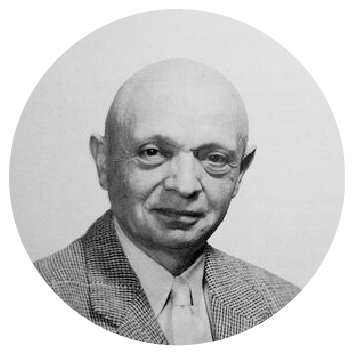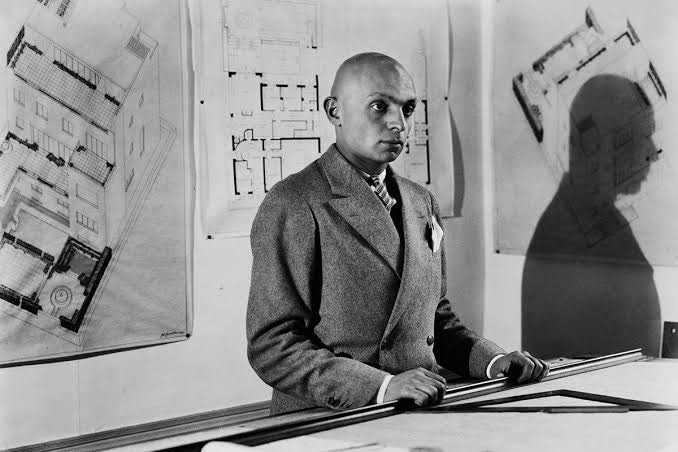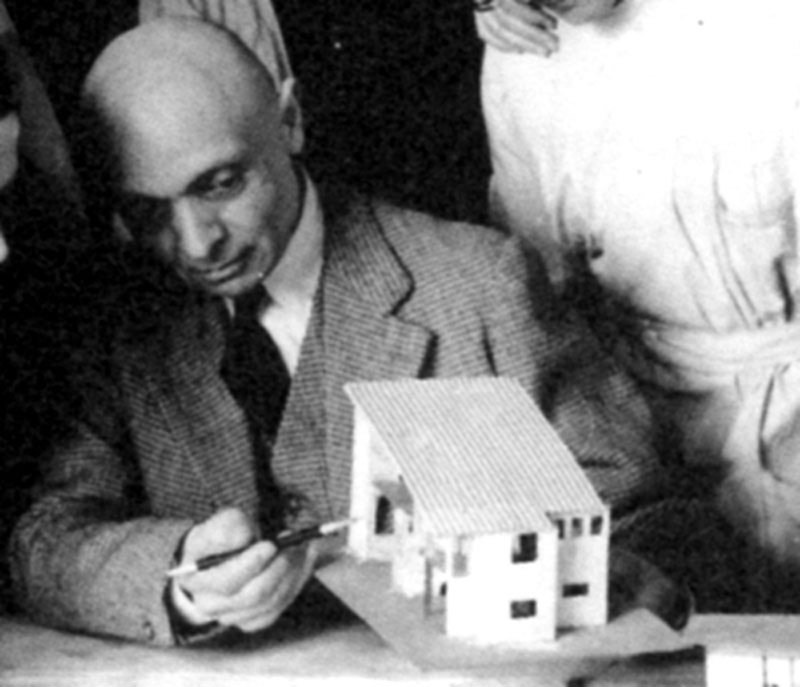


Gabriel Guevrekian, an Armenian-Iranian architect and one of the earliest advocates of modern architecture in Iran, was born in 1900 in Istanbul. As a child, he emigrated with his family to Tehran, where he completed his primary education before leaving for Austria to pursue architectural studies at the Vienna School of Applied Arts (Kunstgewerbeschule), one of Europe’s leading centers for the development of modern art and architecture at the time. He graduated in 1922 and, after traveling extensively across Europe, settled in Paris, where he quickly gained recognition within avant-garde architectural circles. His work was exhibited at prestigious venues, including the Salon d’Automne, alongside that of Le Corbusier, firmly establishing his reputation as a pioneering modernist architect.
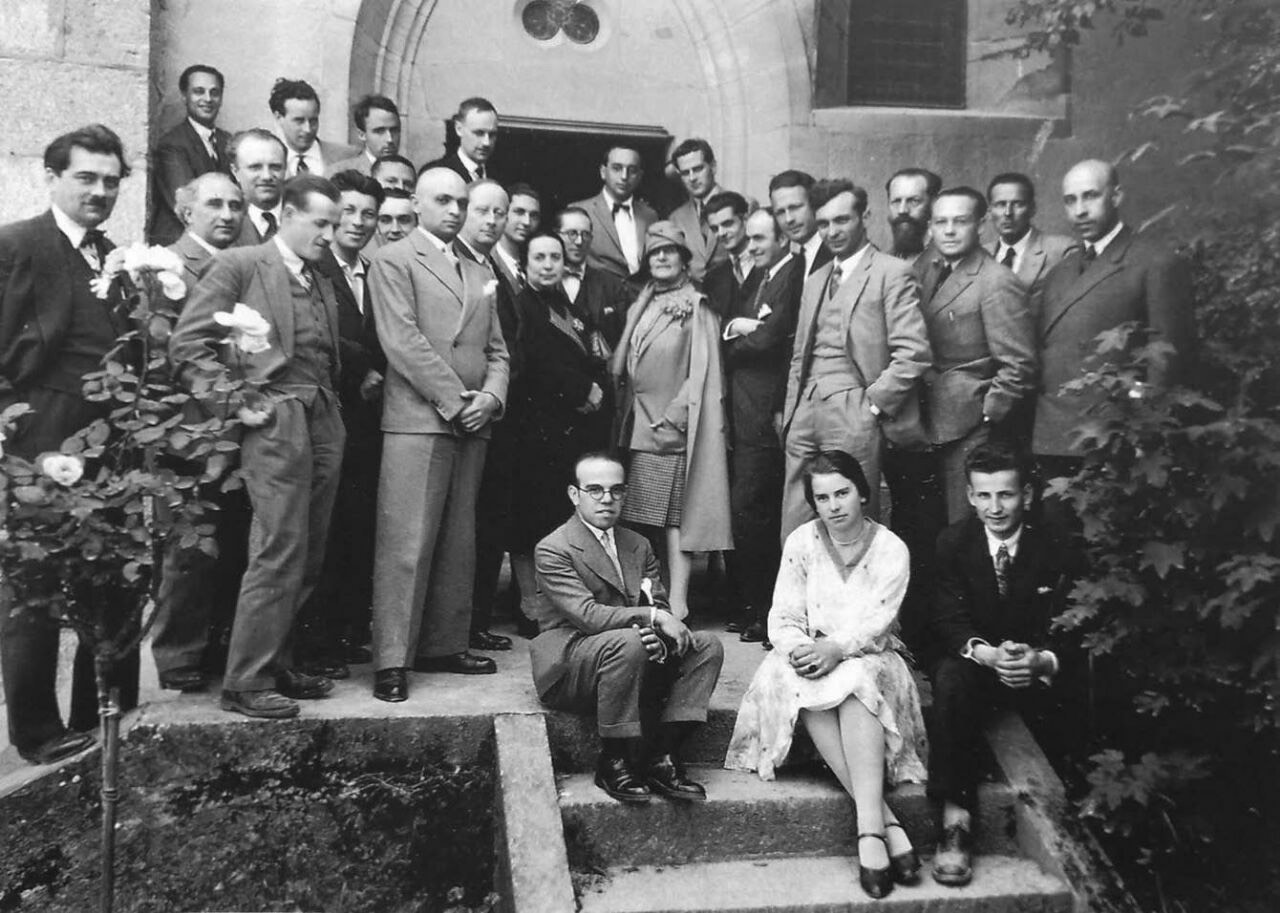
Guevrekian was an active member of the Congrès Internationaux d’Architecture Moderne (CIAM) and served as Secretary during its inaugural congress, reflecting his prominent role within the international modernist movement. In 1933, he returned to Iran and, during his years in Tehran, directed the architectural office of the Municipality of Tehran. Through the design of modern public buildings and gardens, he played a significant role in introducing the principles of modern architecture and landscape design to Iran.
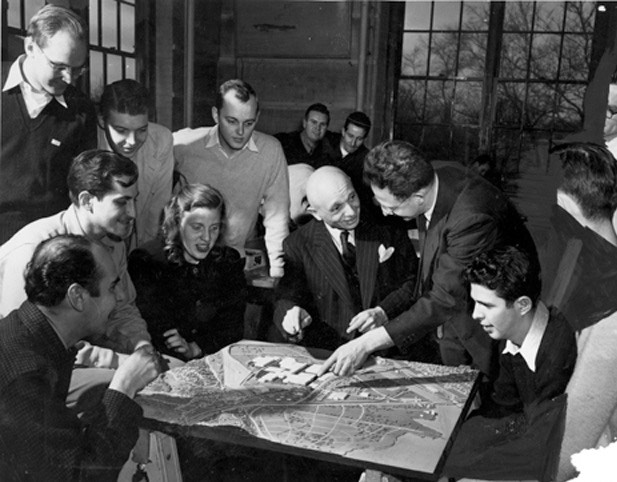
In the late 1930s, Guevrekian left Iran once again, continuing his professional practice and academic career in Europe before eventually relocating to the United States, where he remained active as both an architect and educator.
Until the end of his life, Guevrekian remained an influential figure in the international modern movement. He passed away in 1970 in Antibes, France, leaving behind a body of work that bridged the architectural cultures of Europe and Iran while contributing to the global discourse of twentieth-century modernism.