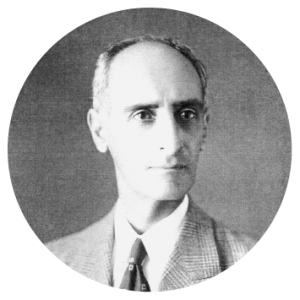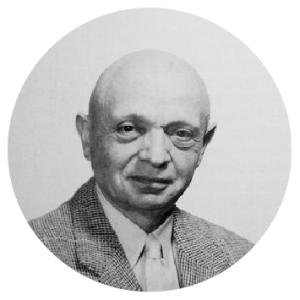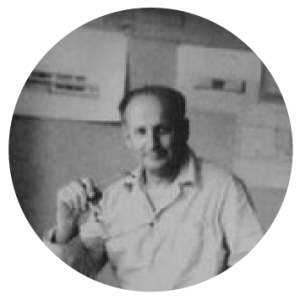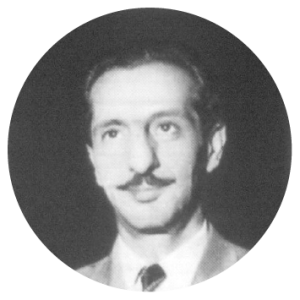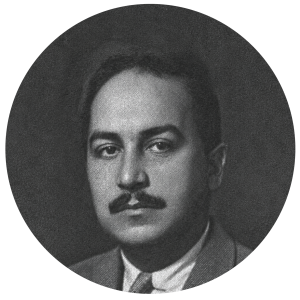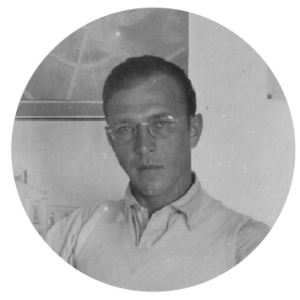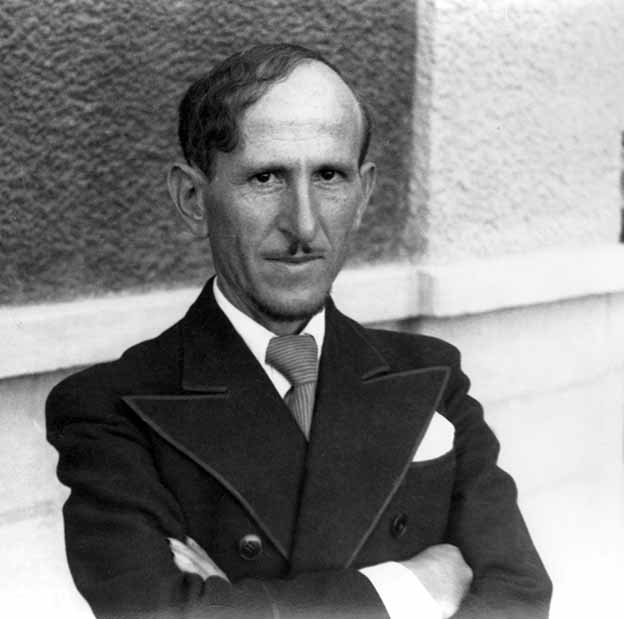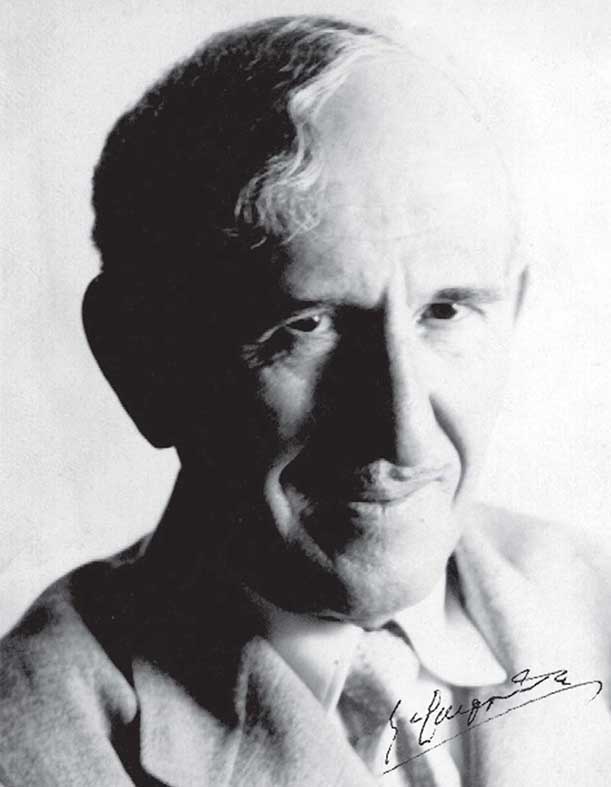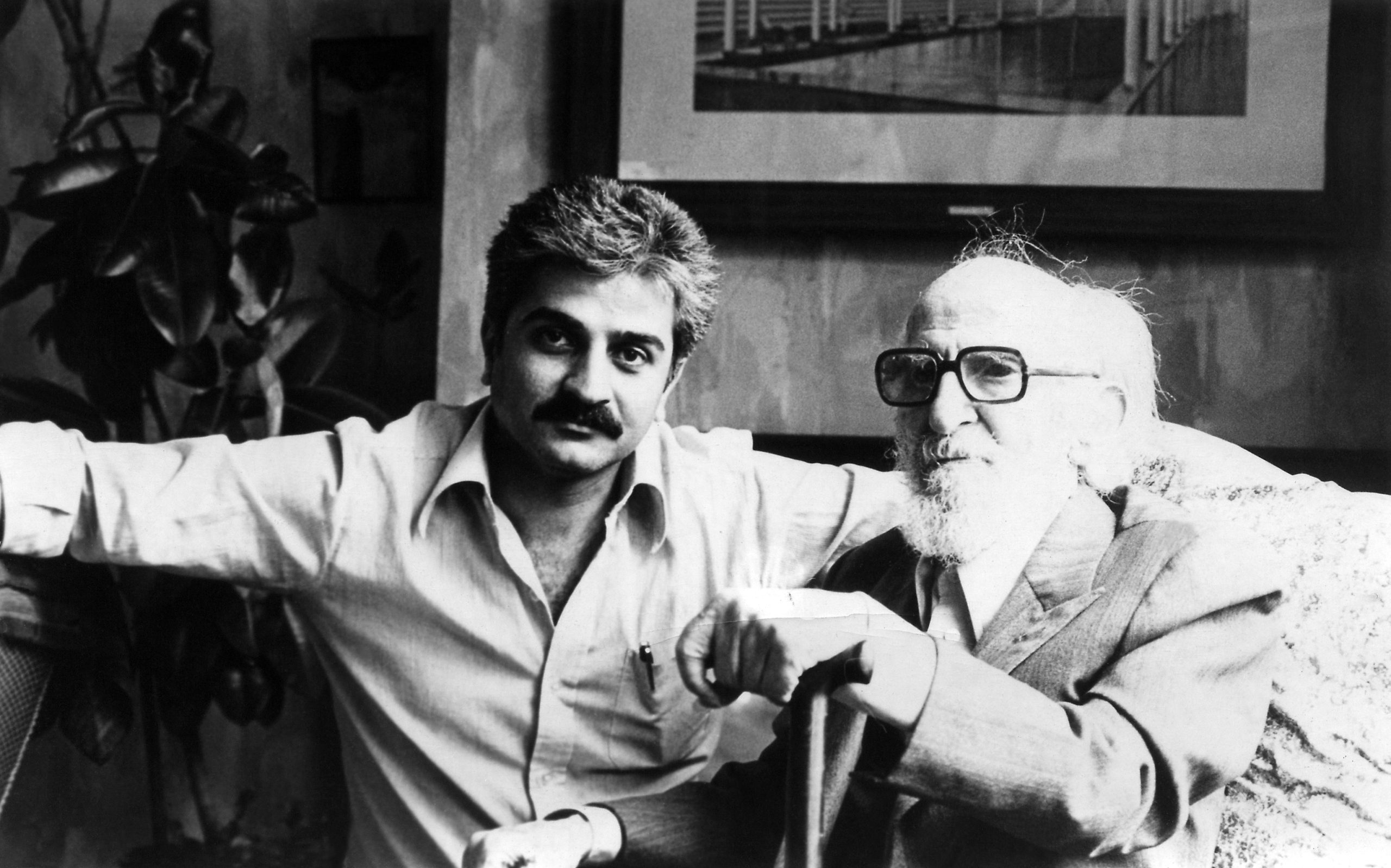


Vartan Hovhannisian was born in Tabriz, where he completed his primary and secondary education before beginning his professional career. He later moved to Tehran, where he taught at Armenian schools for a period. In 1919, he left for Paris to pursue higher education in the arts and, after four years of study, graduated with a degree in architecture. Following the completion of his architectural training, he specialized in urban planning while simultaneously gaining professional experience through architectural practice in Paris.
In 1935, after spending seventeen years in Europe, Hovhannisian returned to Iran. Shortly after his arrival, he entered the competition for the Girls’ Vocational School and was awarded first prize, a success that marked the beginning of an influential architectural career in his homeland.
Over the course of his professional life, Hovhannisian designed and realized dozens of buildings serving a wide range of functions, from royal palaces and educational institutions to private residences and villas. His work played a significant role in the development of modern architecture in Iran, reflecting a thoughtful balance between functional planning and contemporary architectural expression.
Alongside his architectural practice, Hovhannisian maintained an active presence in the country’s cultural and intellectual life. While living in Paris, he was among the founding members of the Association of Iranians in France, and upon returning to Iran, he became a prominent member of the Association of Iranian Graduate Architects. He also made important scholarly contributions through the publication of articles in professional journals and by founding two periodicals devoted to architecture and the arts, reinforcing his position not only as a practicing architect but also as an influential writer, educator, and advocate for the advancement of architectural culture in Iran.