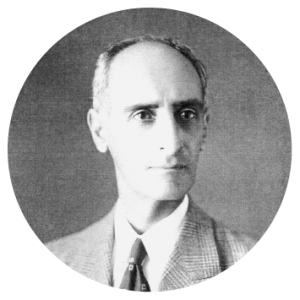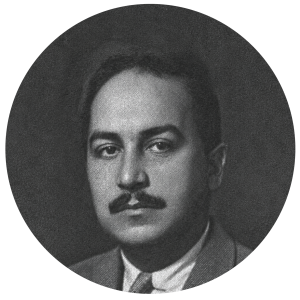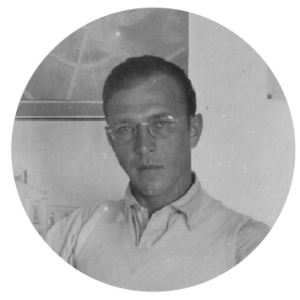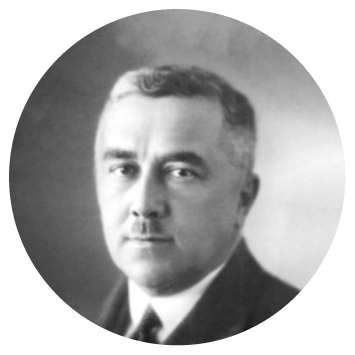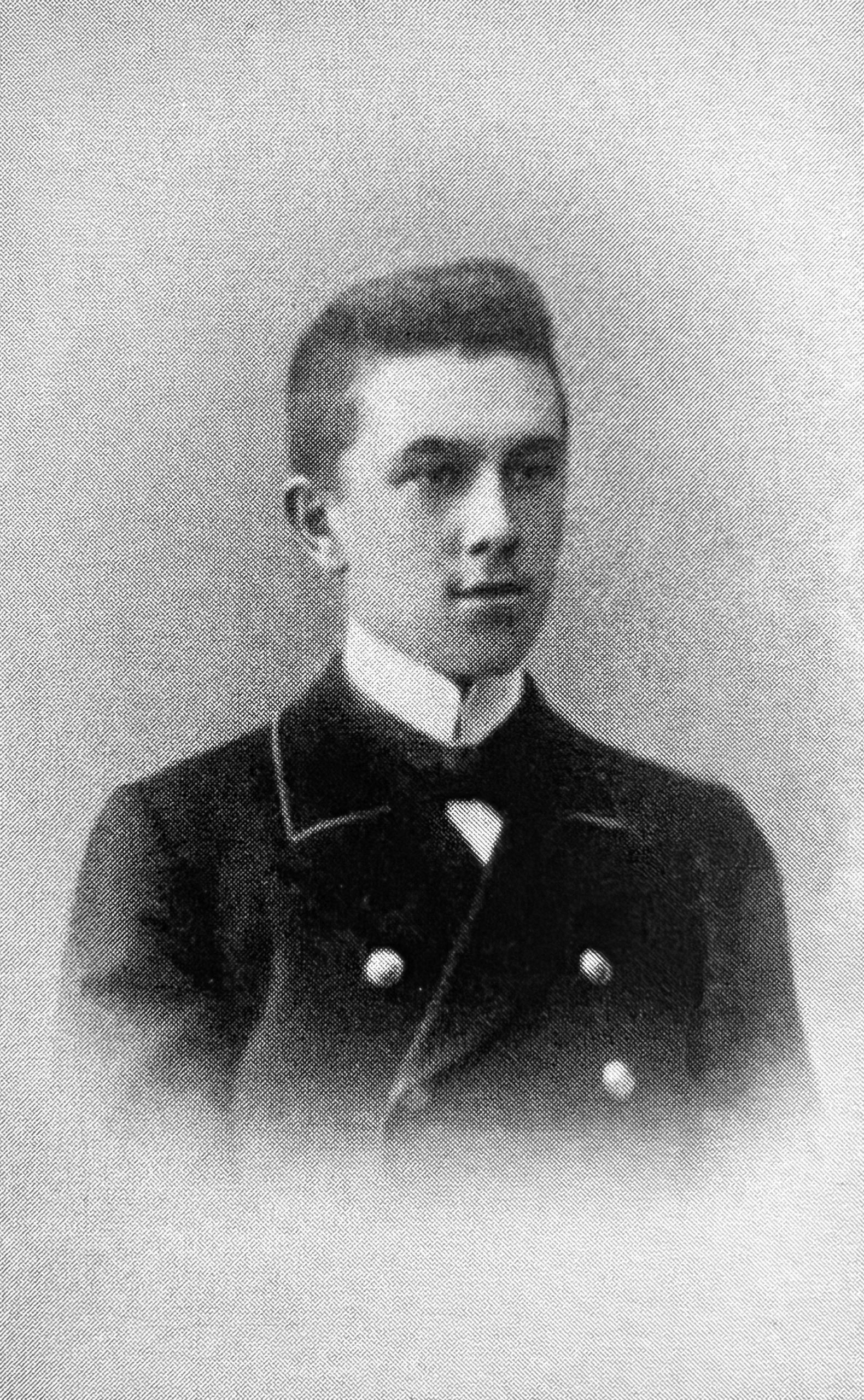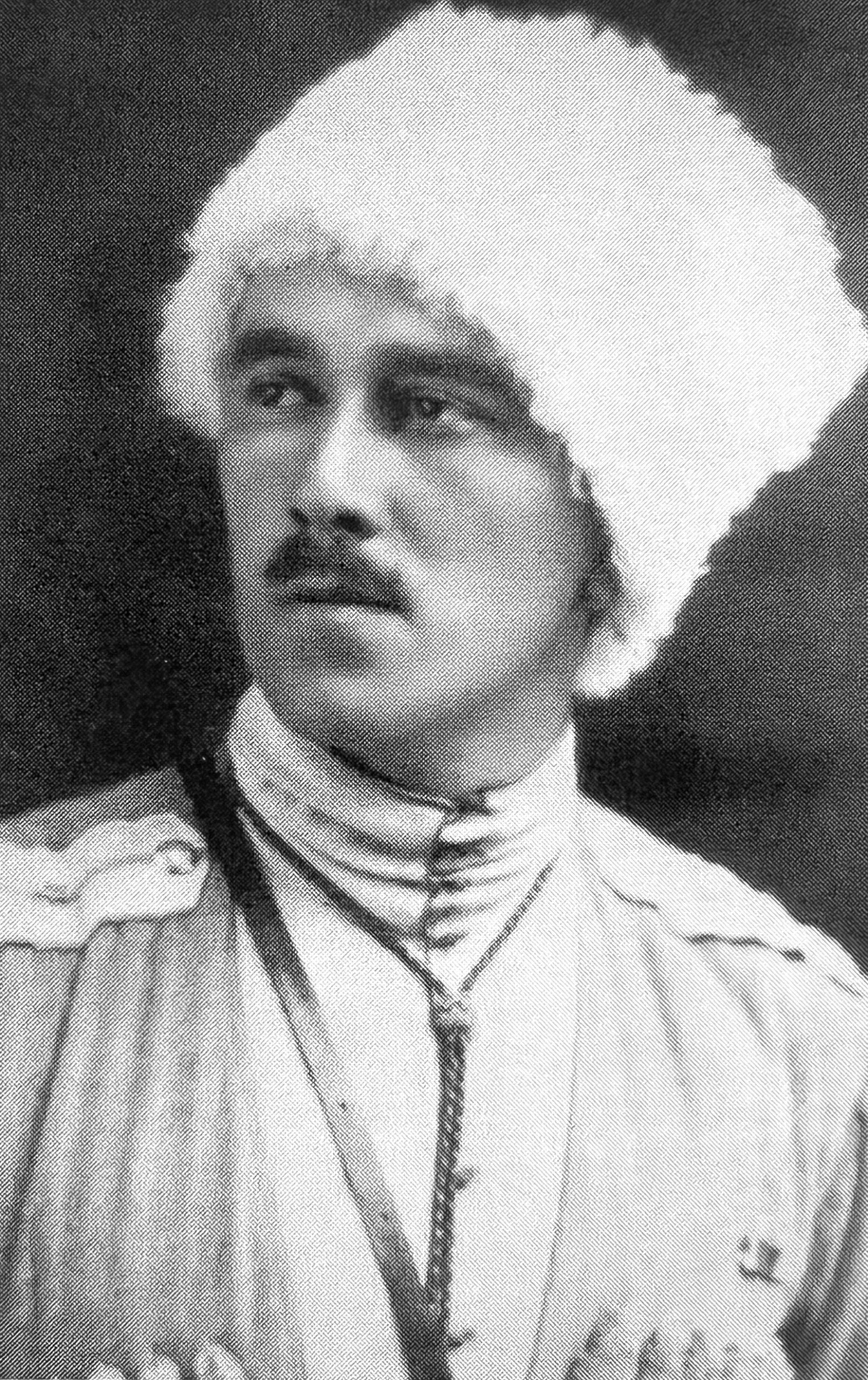


Nikolai Markov, a Russian-born architect, was born in 1882 in Tiflis (present-day Tbilisi, Georgia) into a distinguished family belonging to the governmental elite of the Russian Empire. He completed his secondary education in Tiflis before enrolling at the Imperial Academy of Arts in Saint Petersburg, where he graduated with a degree in architecture in 1910. Following his architectural studies, Markov pursued Persian language studies at the university’s Faculty of Oriental Studies, completing the program in 1914. With the outbreak of the First World War, he joined the Russian forces stationed in the Caucasus and arrived in Iran in 1915, where he served in the Persian Cossack Brigade alongside Reza Khan, the future Reza Shah Pahlavi.
Following the October Revolution, Markov chose to remain in Iran. In 1921, he left military service and resumed his architectural career, soon emerging as one of the leading figures in Iranian architecture during the early decades of the fourteenth century of the Solar Hijri calendar. His first major commission was Alborz High School, constructed between 1924 and 1925, a project that established his professional reputation. In 1926, he was invited to teach architecture, further contributing to the development of architectural education in Iran.
Markov initially established his architectural practice on Istanbul Street, later relocating to Ferdowsi Street and Arbab Jamshid Street, from where he maintained an extensive professional practice until the end of the Second World War. In the post-war years, he continued to work as both an architect and a building contractor, remaining active until the final years of his life. He passed away in 1957 at the age of seventy-five and was laid to rest in Doulab Cemetery in Tehran. Markov’s enduring contribution to the emergence of modern architecture in Iran has secured his place as one of the country’s most influential twentieth-century architects.