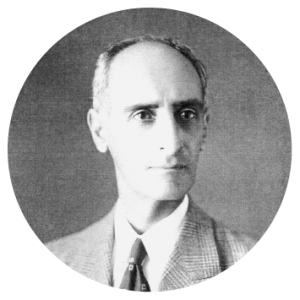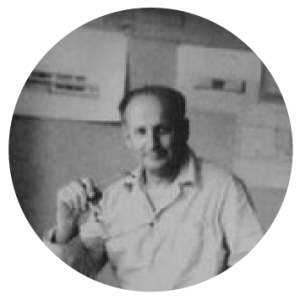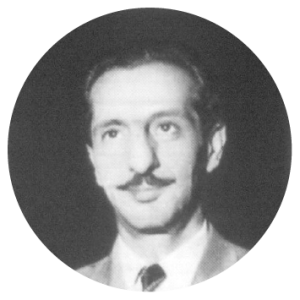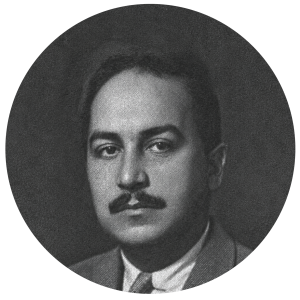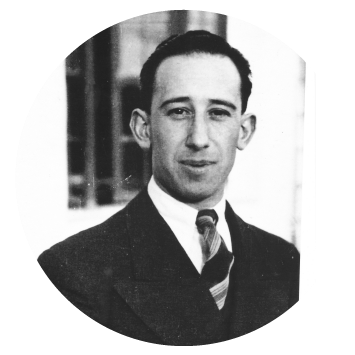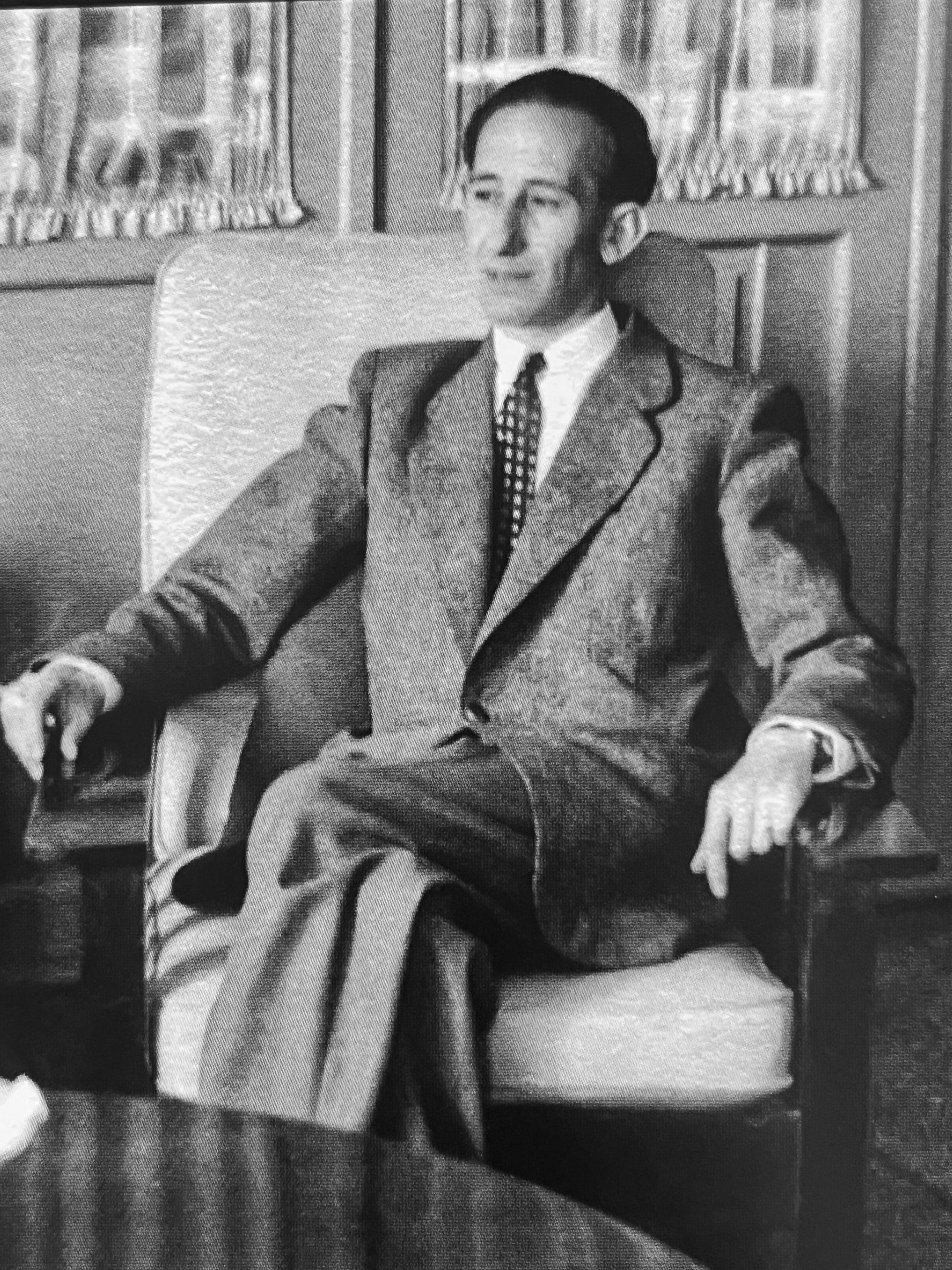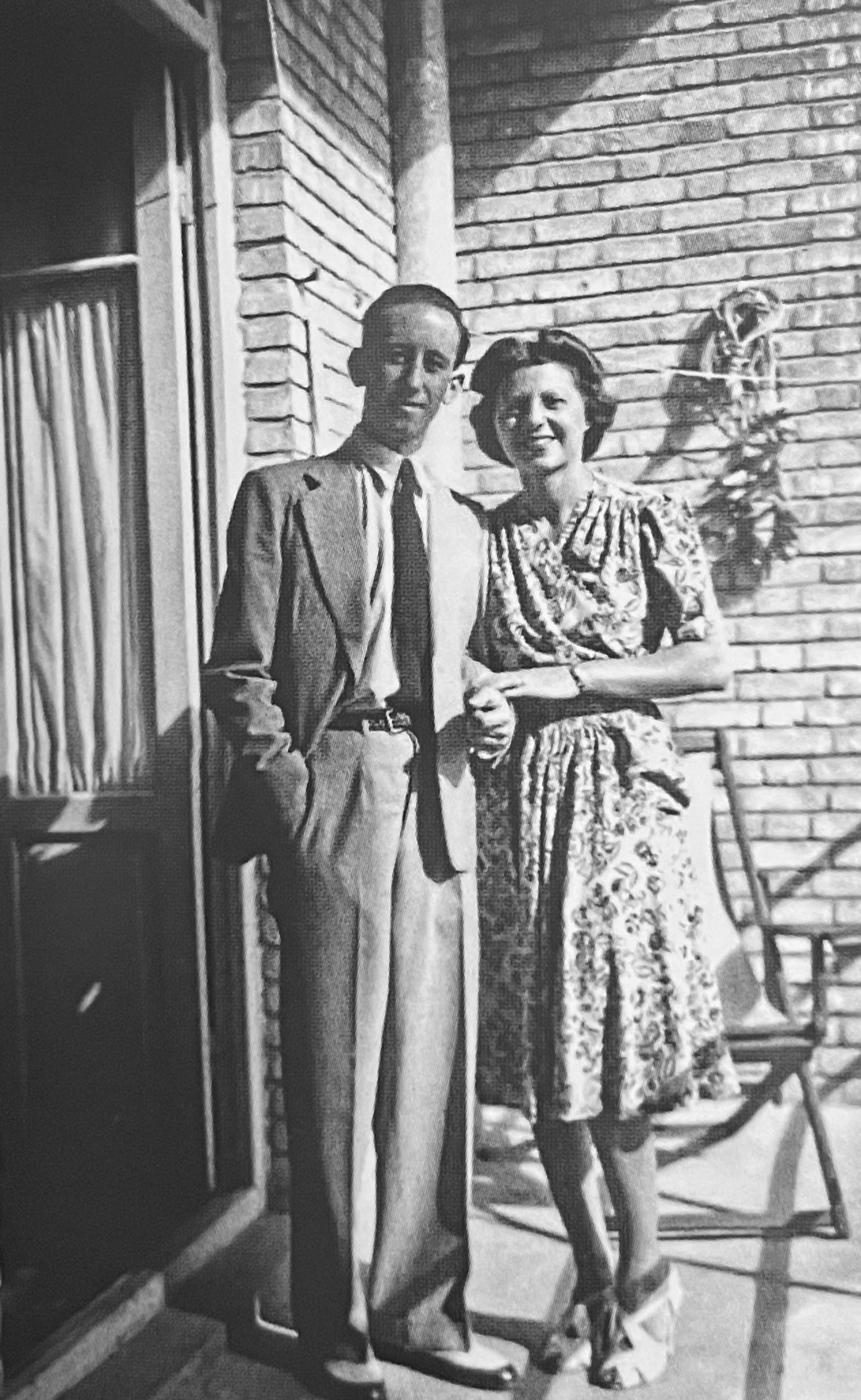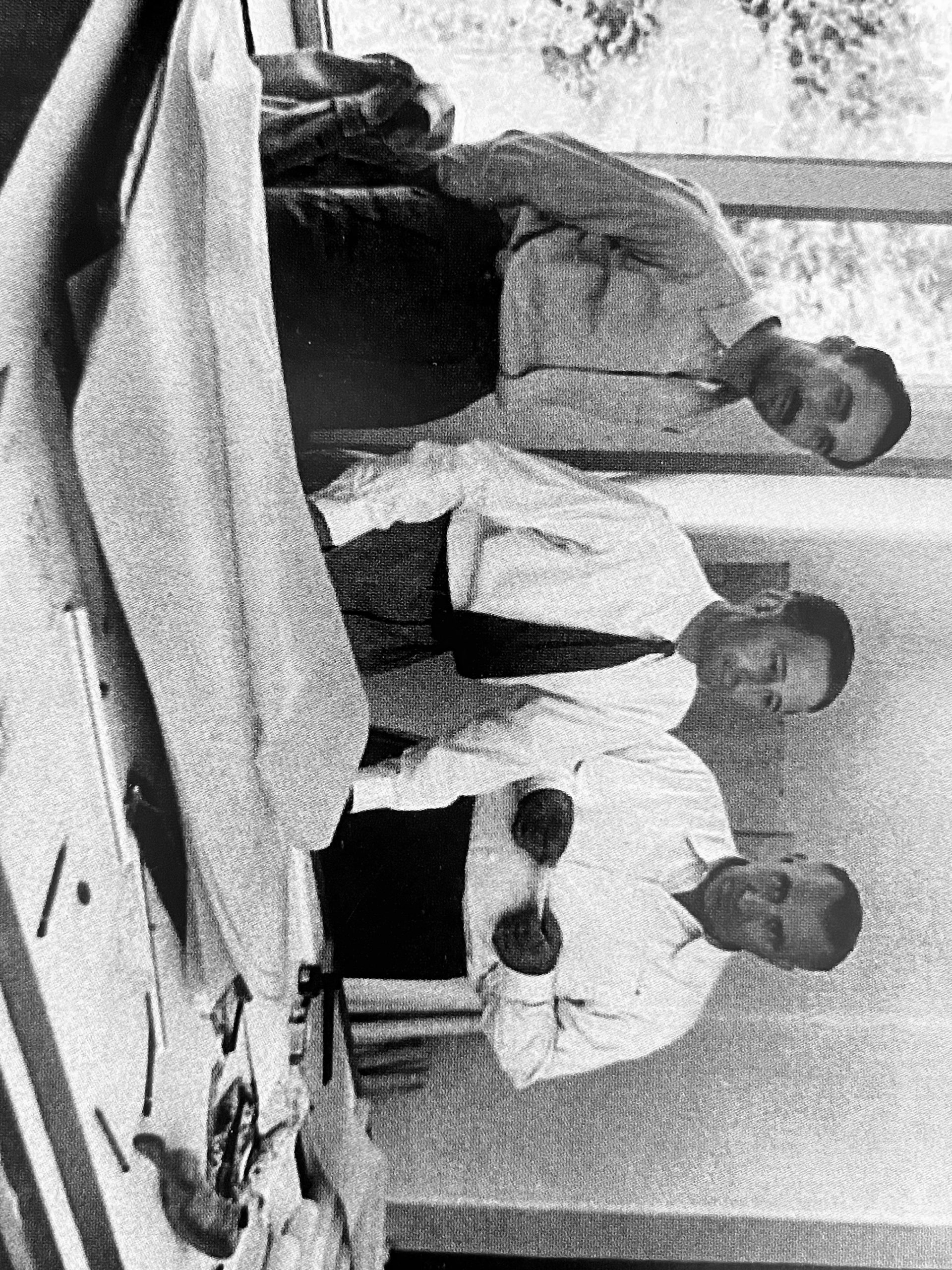


Paul Apcar was born in 1909 in Tehran into an Armenian family. He pursued his higher education in Belgium, enrolling at the Saint-Luc School of Architecture in Schaerbeek, Brussels, where he completed a rigorous seven-year architectural program before returning to Iran.
In 1938, Apcar joined the German construction company Hochtief, where he designed the principal building of the National Wireless Radio Station project. Officially inaugurated in May 1940, the building became the headquarters of Radio Iran, the country’s first official national broadcasting service and one of the landmark public buildings of the period.
Following the restrictions imposed on German companies during the Second World War and the subsequent withdrawal of Hochtief from Iran, Apcar entered public service. He was appointed both to the Ministry of Finance and as head of the architectural supervision department of the National Police Administration. During this period, in addition to designing numerous private residences, he was responsible for a wide range of public buildings, including the Jahan Building, Niagara Cinema, the Armenian Catholic Cemetery Chapel, Saint Gregory the Illuminator Church, and several administrative buildings for the Ministry of Finance.
Paul Apcar’s architectural career reflects the profound transformation of Iranian architecture over three pivotal decades. His work spans the stylistic evolution from the early twentieth century’s decorative movements—most notably Art Deco—to the widespread adoption of the International Style in the years before and after the Second World War. Through this progression, Apcar emerged as one of the architects who helped shape the transition of Iranian architecture from historicist traditions to the language of modernism, leaving a lasting imprint on the country’s architectural heritage.