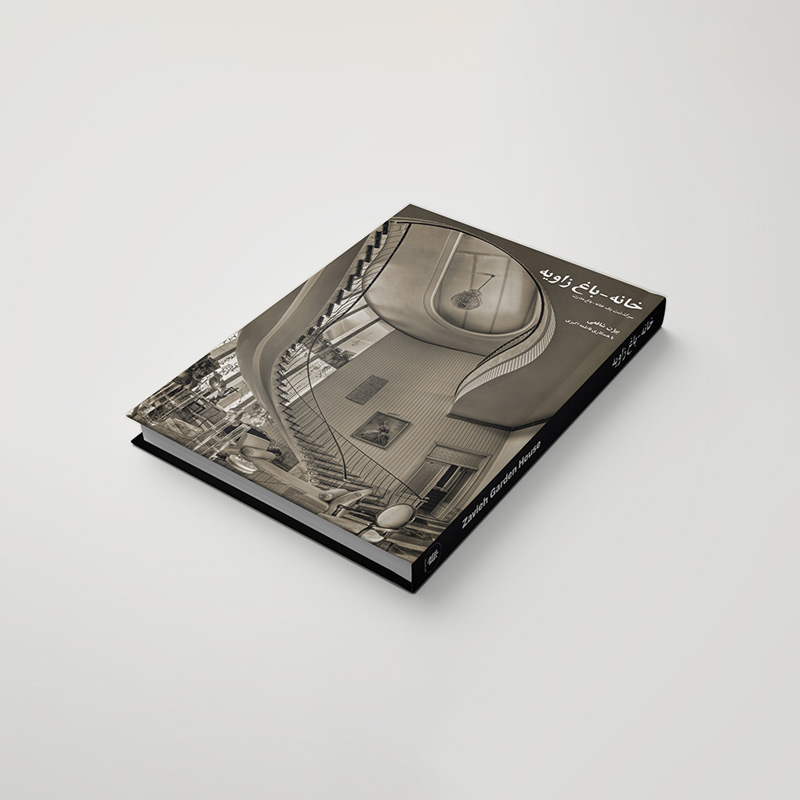
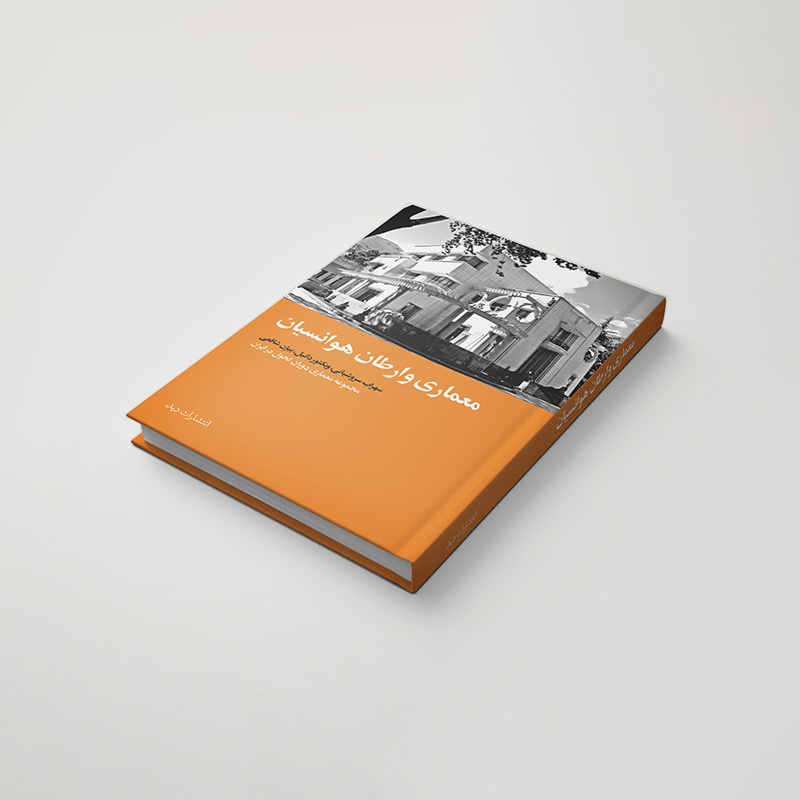
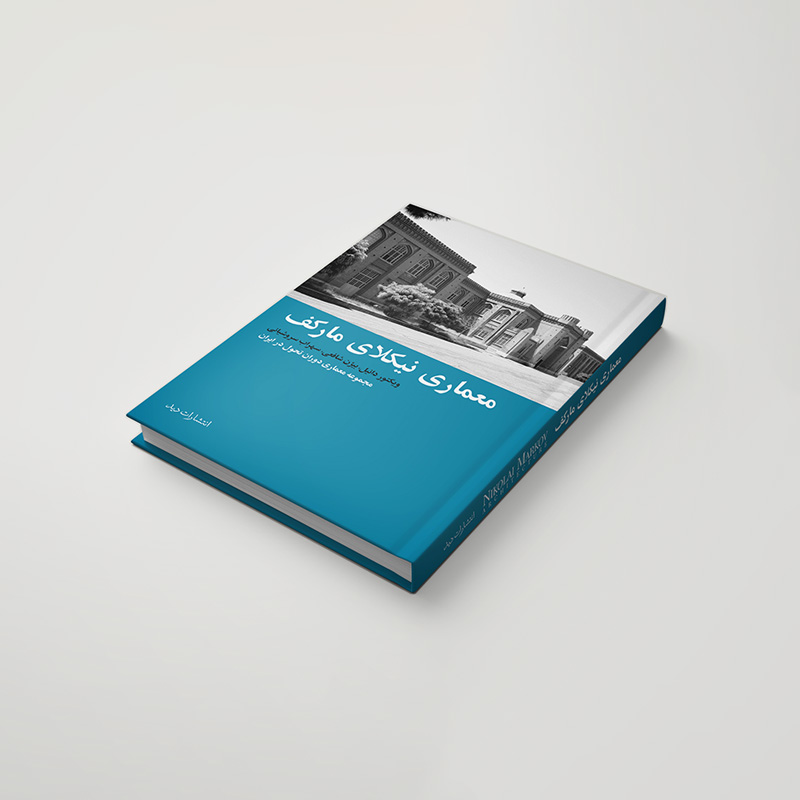
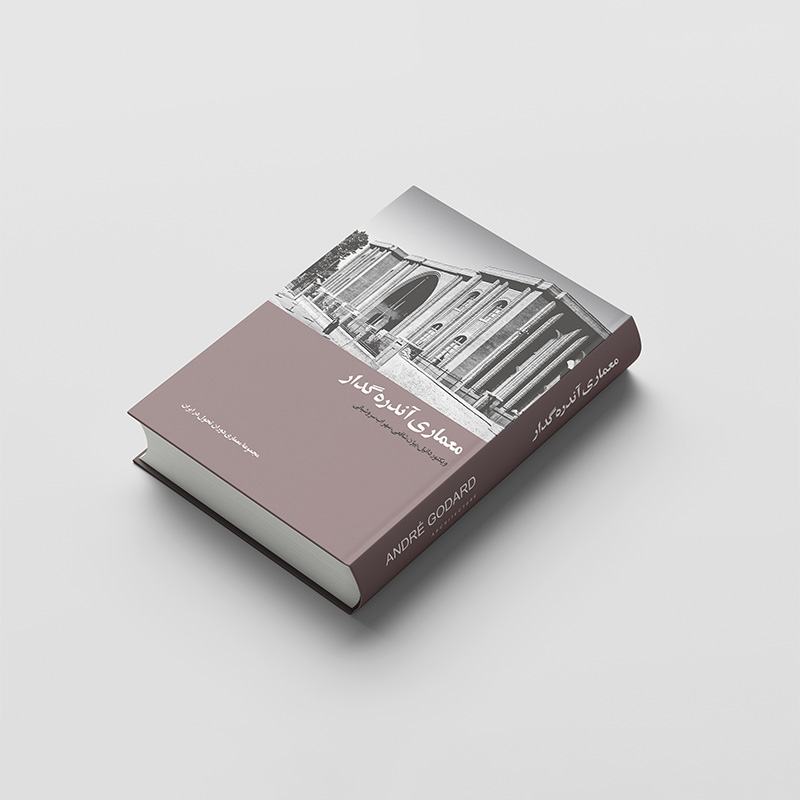
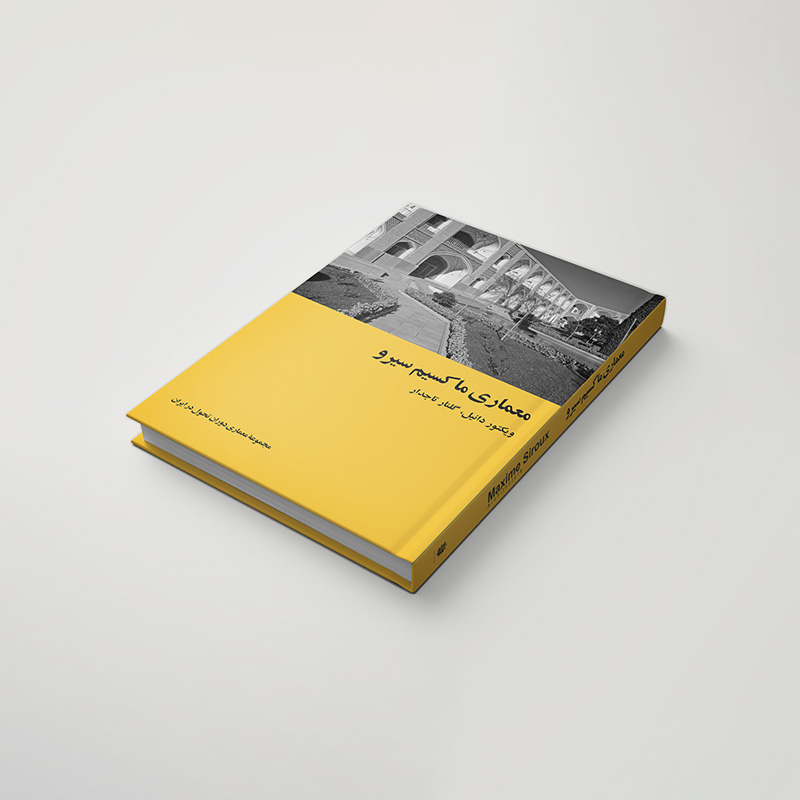
Authors: Bijan Shafei – Sohrab Soroushiani – Victor Daniel Language: Persian – English Year of Publication: 2015 Publisher: Architecture of Evolution Collection
Authors: Bijan Shafei – Sohrab Soroushiani – Victor Daniel Language: Persian – English Year of Publication: 2015 Publisher: Architecture of Evolution Collection
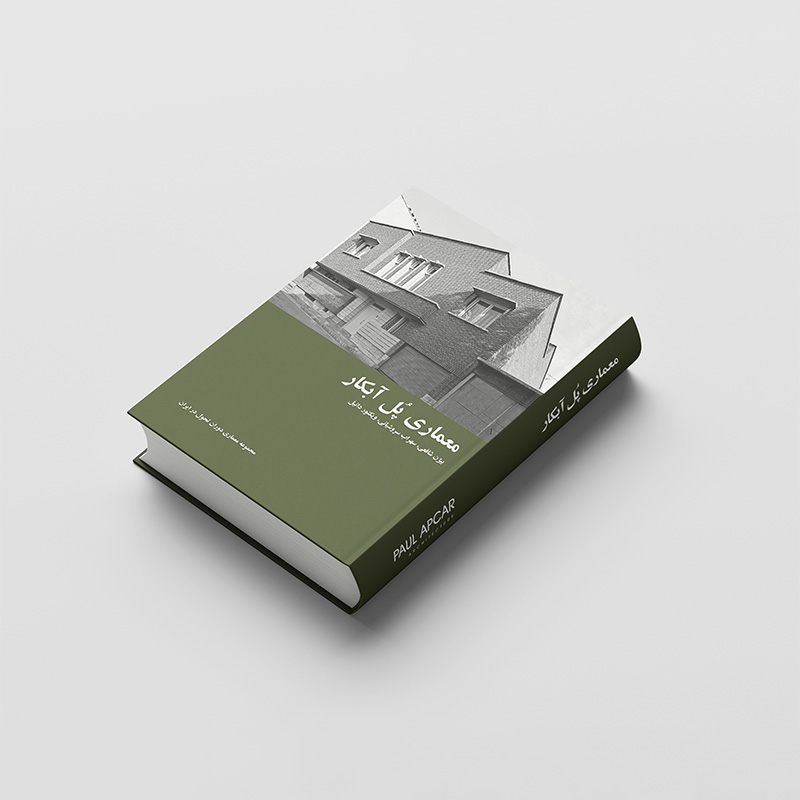
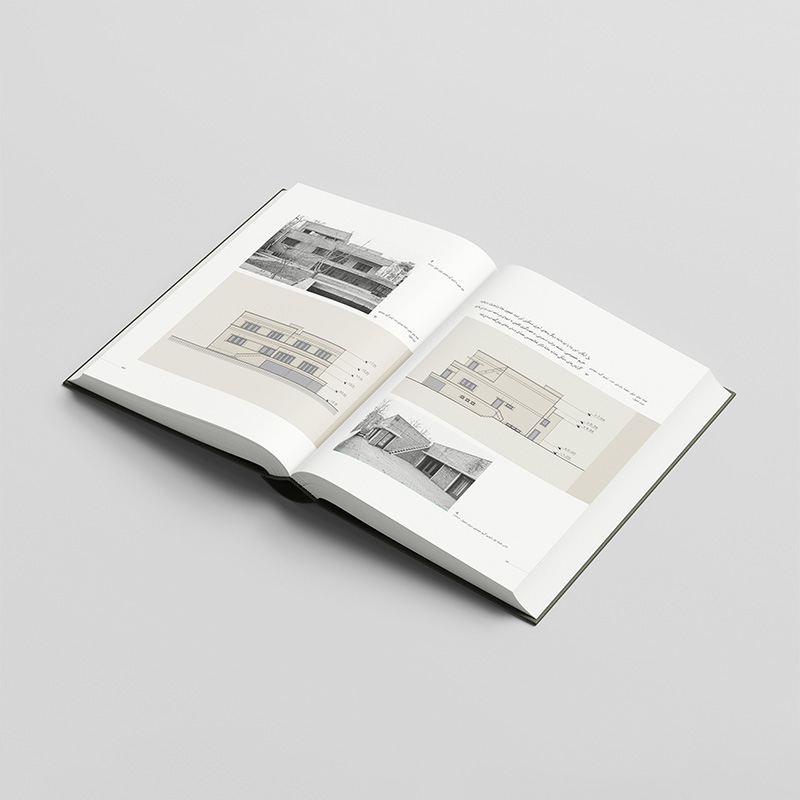
Architecture of Paul Apcar gives an account of significant changes in Iran’s architecture in three decades: From the early twentieth century architectural trends, including Art Deco, to the widespread International Style before and after the Second World War. In the span of three decades, Apcar developed his personal style in the design of brick buildings; a style influential in the evolution of the Iranian contemporary architecture, as well as unique in its expression
in the city of Tehran.
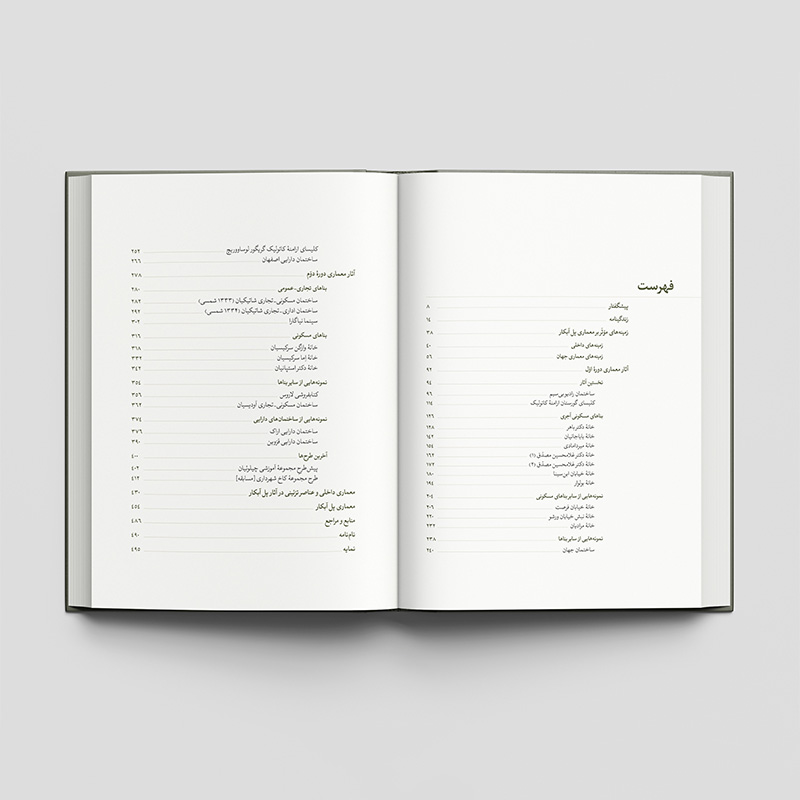
He designed and built various public buildings including Jahan building, Niagara cinema, the chapel of Armenian catholic cemetery, Grigor Loussavoritch church and the headquarters of the Ministry of Finance. Many of these works, however, have been and continue being demolished on the pretext of urban renovation.