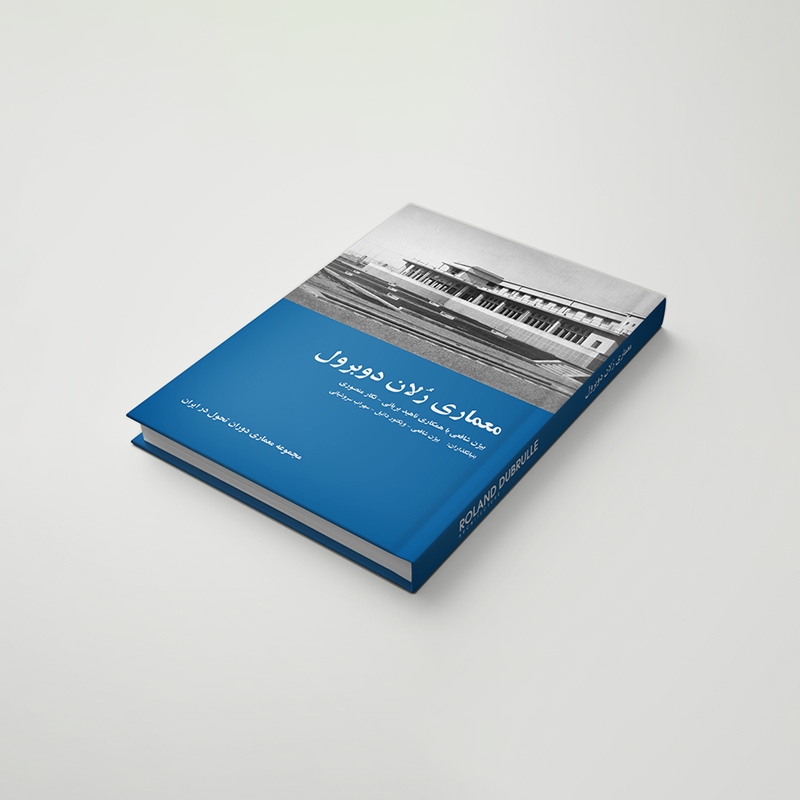
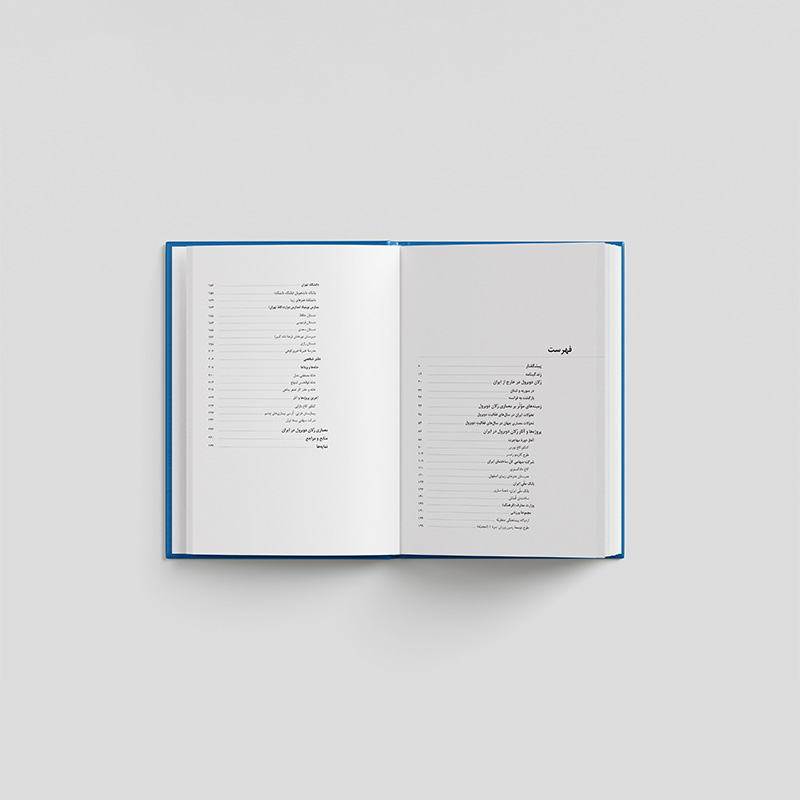
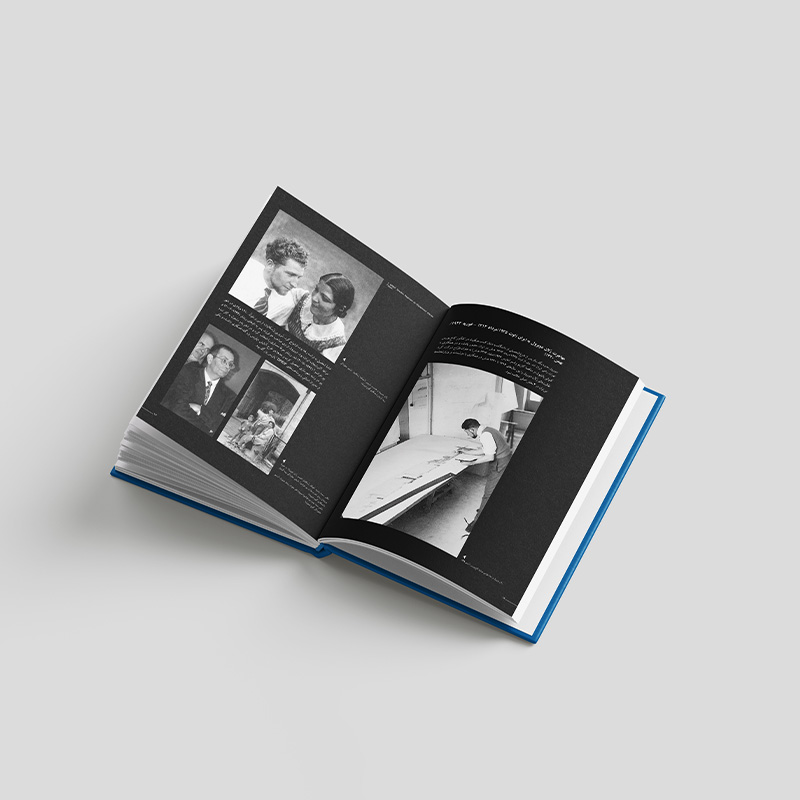
If one seeks to narrate the architectural transformations of the contemporary period and the emergence of modernism in Iran, it becomes evident that a significant share must be attributed to the continuous and influential work of Roland Dubrulle over a period of seven years.
Following Arto Gorgian, who ignited the early spark of modernist architecture in Iran, Dubrulle carried this momentum into the third decade of the early twentieth century (the 1940s).
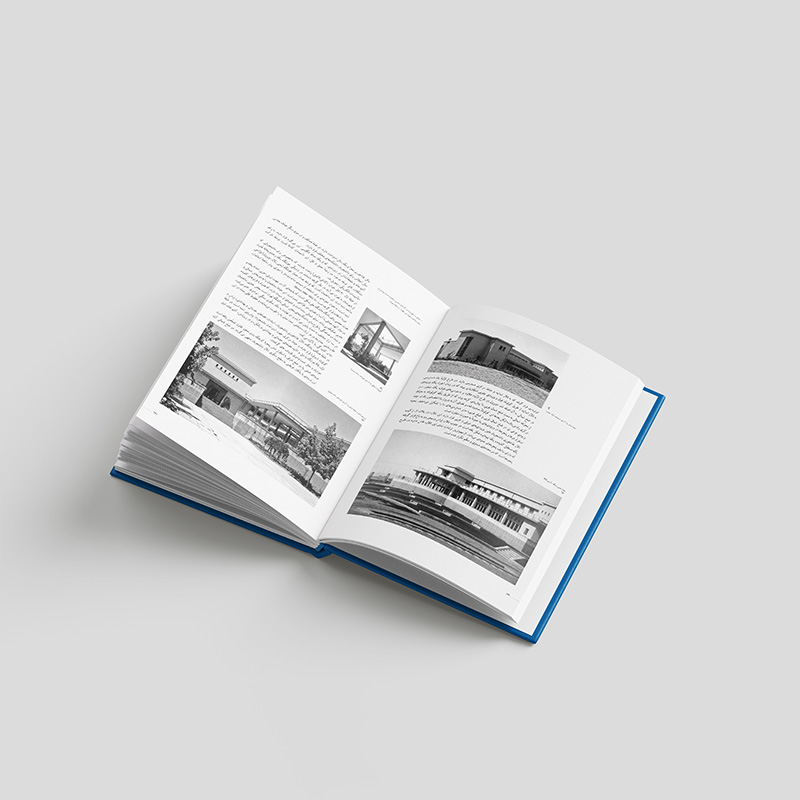
His contribution to the design of emerging civic and institutional buildings surpasses that of many of his contemporaries, and he played a key role in the transition from Art Deco architecture toward modernism in Iran. At the same time, like Gorgian, he is regarded as a pioneer of radical modernist approaches in residential architecture in the capital.
Dubrulle was not merely an architect of new public buildings; he also played a central role in urban planning schemes, particularly in the governmental district of the capital city.
In the field of architectural education, he was a leading figure and is recognized as one of the founders of Beaux-Arts–style architectural education in Iran.
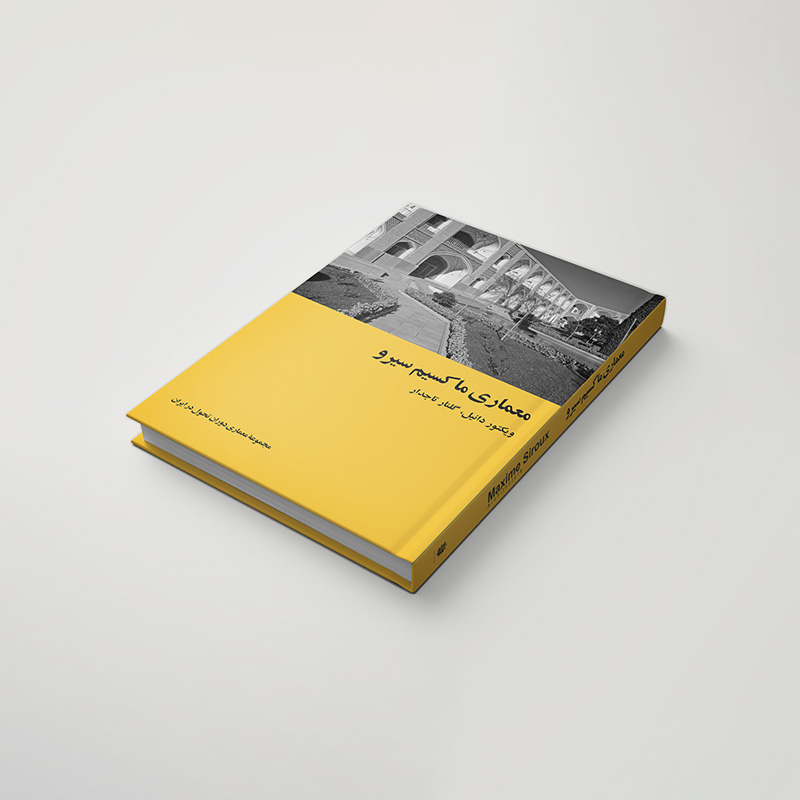
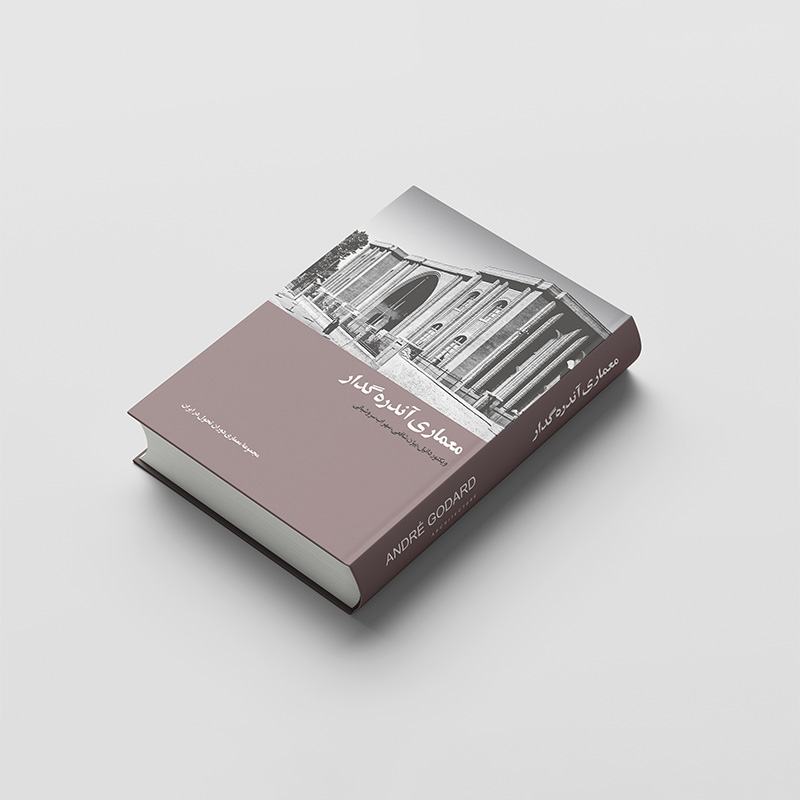
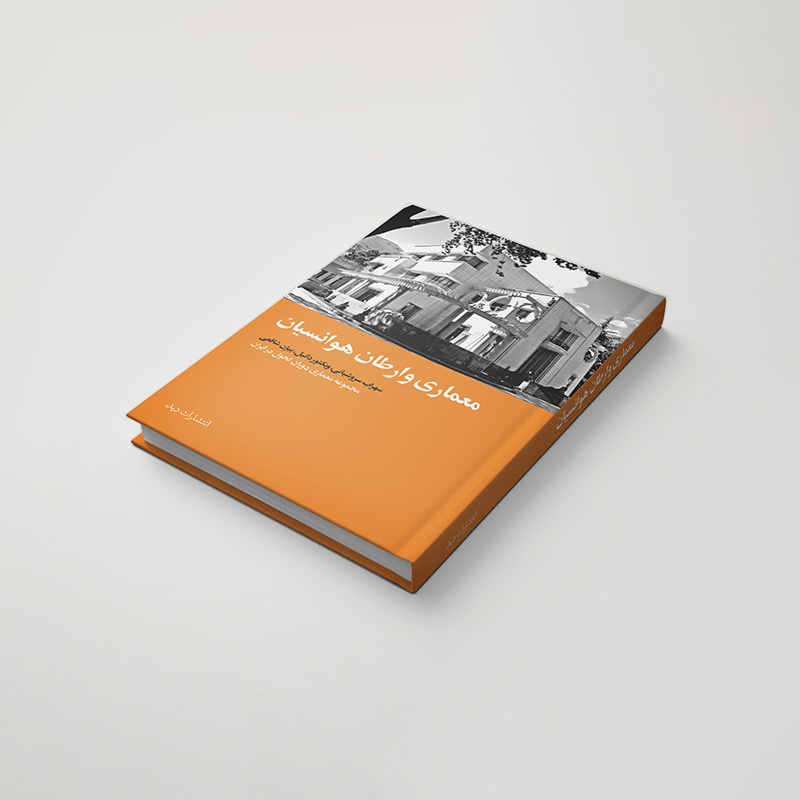
The narrative of Roland Dubrulle’s presence and professional activity constitutes a significant part of the history of the Architecture of the Evolution Era in Iran.